Focus groups
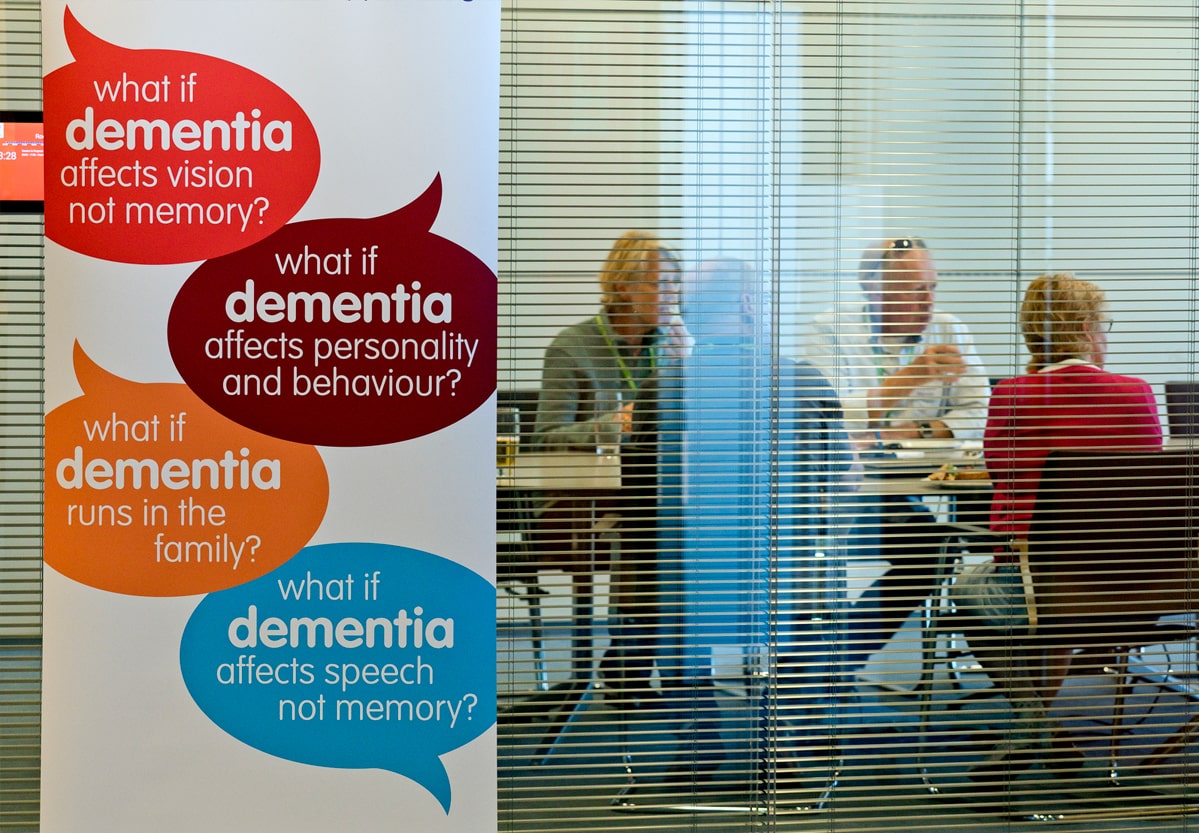
Image: Sandison/Wellcome
At RDS we believe that support comes in many guises. Alongside the one-to-one support consultations, support group meetings, information and advice that we provide as part of our service, we believe that empowering people to share their experience is an important part of the support we facilitate. And especially to do so in ways which maximises people’s skills and abilities, and enables meaningful contributions and impactful change.
People living with a rare dementia diagnosis are the ones who know the most about it. Too often, their voices are not given the priority nor the audiences they warrant.
The RDS focus groups were formally established in 2022 to provide a platform for the voices of people living with a rare dementia diagnosis to be heard, valued and involved.
There are currently two focus groups: one for people living with the diagnosis and one for family, friends and carers. The groups meet monthly (last Thursday of the month), online, and are facilitated by RDS staff members alongside RDS members.
Recent examples of the input the focus groups have had include:
Meeting with Stephen Graham to help shape his portrayal of Tony, a man living with young onset Alzheimer’s disease in the Channel 4 film ‘Help’.
Contributing to research design ideas for ground-breaking studies about the experience of dementia.
Co-designing the ‘Rare Space’ garden with Charlie Hawkes for this year’s Chelsea Flower Show.
For more information about becoming involved in one of the focus groups, or about getting involved as a volunteer with RDS generally, please email contact@localhost and we will be happy to discuss opportunities.
“Being a part of the focus group has really changed the way I feel day to day. I am contributing to worthwhile projects, using the skills I still have. I feel I am able to give, not just receive – and that is very important to me”.
“As a carer, my life has become increasingly bound by the needs and schedules that my husband’s diagnosis inevitably requires. Having something meaningful to ponder and think about that is making a difference to the way people perceive dementia has given me something to get my teeth into –something that matters and is relevant, but that doesn’t take me away from where I want and need to be”.