Fundraising
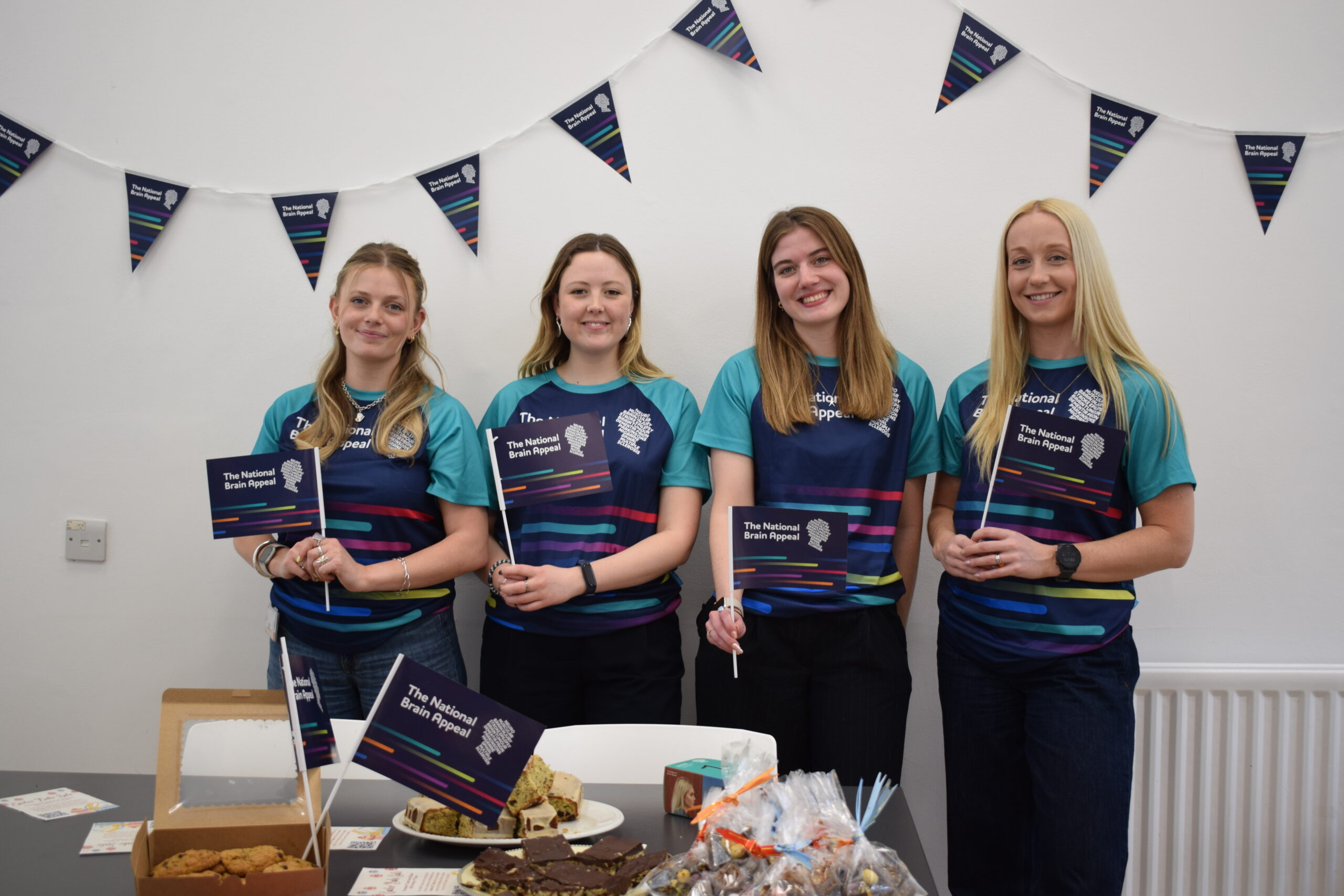
The National Brain Appeal has proudly supported Rare Dementia Support (RDS) since the first condition-specific support group meetings in 1994.
The charity provides funding each year to develop education and research into the seven rarer dementias. Crucially, it funds vital support roles, services and trailblazing spaces for patients and families with rarer forms of dementia.
The National Brain Appeal led the fundraising appeal to create The Hilary and Galen Weston Foundation Rare Dementia Support Centre. Almost £10m was raised to create this world-first specialist centre of excellence for rare dementias and it will now be a leader in how best to support those living with a rare dementia diagnosis.
The fundraising does not stop there – the charity has committed to continue raising £500,000 a year to fund the direct support team and other staff roles, development of professional education programmes and community learning, a range of ongoing cultural and artistic activities as well as running costs.
All this groundbreaking work is only possible thanks to the generosity of our supporters.
We rely on the generosity of individuals like you who dig deep to help raise money for Rare Dementia Support.
With your help, the RDS team are leading the way in providing practical and emotional support, growing understanding and awareness, and conducting pioneering research into rarer forms of dementia.
Whether you run, walk, cycle, swim or set yourself a challenge of your own, you can raise vital funds. Every step, mile and achievement can help provide specialist support for people living with rare dementia and their families, while advancing education and research.
Take a look at upcoming challenge events on The National Brain Appeal’s website, or organise your own! Get in touch with the challenges team at fundraising@nationalbrainappeal.org.
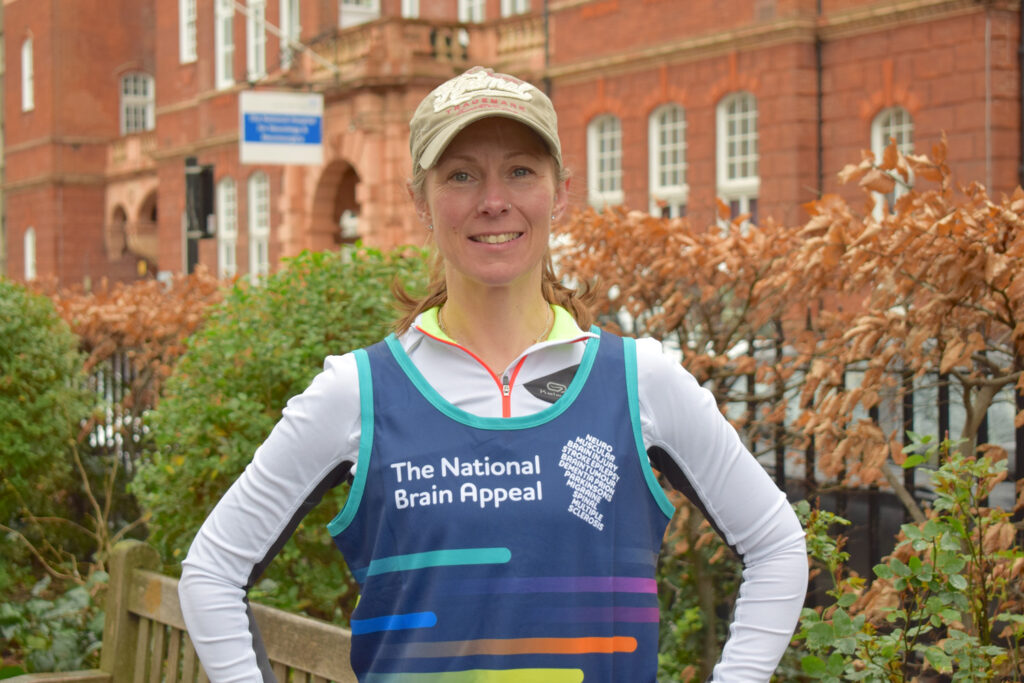
Sarah lost her father, aunt and grandmother prematurely to familial frontotemporal dementia (fFTD), and learned, in 2020, that she carries the fFTD gene. In 2026, she took on a year-long series of challenges – including an ultra-marathon, a ‘Sea to Summit’ event up and down Mount Snowdon, and several arduous assault courses – to raise money for RDS.
The support RDS offers on a personal level and on a national level is fantastic, I just think they need recognition and as much funding as they can get to keep being able to do the work that they’re doing and to expand that work further.
Sarah Dolling
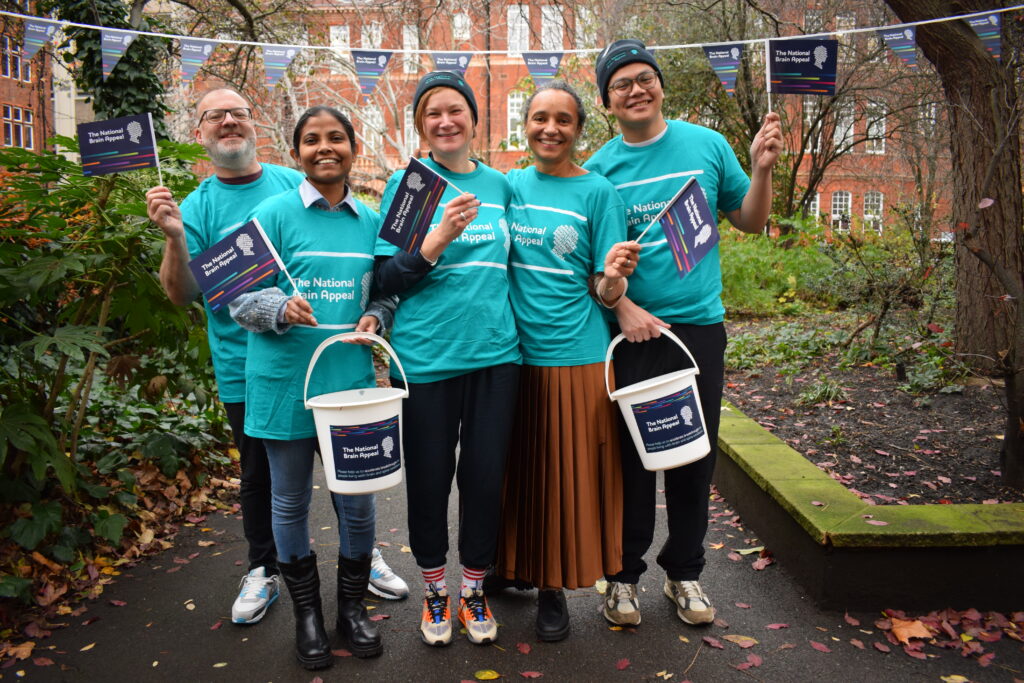
Fundraising doesn’t have to follow a set format – the best events are often the ones you create yourself. Whatever your passion, hobby or bold idea, try building a fundraiser around it and encourage your friends and family to join in. From golf days, cake sales, parties and quiz nights to sponsored walks, open gardens and head shaves, people love to gather in support of a good cause. Looking for inspiration? Find more ideas at nationalbrainappeal.org/fundraise
Andrea and her husband Chris marked their 50th anniversary by raising funds for RDS, after Chris was diagnosed with logopenic aphasia, a form of language-based dementia. They threw a big party and asked loved ones to donate instead of giving them gifts.
To celebrate our milestone anniversary with friends and family was truly amazing, but for them to donate to such a good cause made it really worthwhile
Andrea Chadburn
Making a donation in memory of someone special is a meaningful way to celebrate their life, while helping people and families affected by rarer forms of dementia. You can also remember a loved one in a way that feels personal to you:
However you choose to remember someone, your support will help make a lasting difference. Visit The National Brain Appeal’s In Memory webpage for more information.
Gemma was the youngest person in the UK to be diagnosed with posterior cortical atrophy (PCA) at the age of just 28, and sadly died aged 31. Siblings Ben and Jessica ran The London Marathon in her memory, alongside Gemma’s best friend Ruth Pollitt.
We wanted to raise money for RDS so that they can try and prevent stuff like this from happening again. They couldn’t cure Gemma, but they helped us navigate it the best way we could.
Ben Illingworth
We understand that family and loved ones will always come first when making your Will. We are deeply grateful for every legacy gift, whatever its size. Even leaving just 1% of your estate can make a lasting difference.
By remembering the Rare Dementia Support Fund at The National Brain Appeal in your Will, you can help improve the lives of people affected by rare dementia, while supporting vital advances in specialist support, education and research.
Legacy gifts are incredibly important to our work. They account for around a quarter of The National Brain Appeal’s annual income and help make it possible for us to continue funding Rare Dementia Support and other vital projects.
If you would like to help create a better future for individuals and families living with a rare dementia, please consider leaving a gift in your Will to The National Brain Appeal.
Partnering with The National Brain Appeal can make a lasting difference to people living with rare dementia and their families. Whether through a major gift, becoming a charity partner, sponsorship, staff fundraising, donating expertise or taking on a challenge, your organisation can help Rare Dementia Support reach more people and build a better future for everyone affected.
The charity works with individuals, trusts, foundations and philanthropists to create partnerships that reflect their interests and ambitions, while helping to fund specialist support, education and research.
Contact partner@nationalbrainappeal.org to start a conversation.
The National Brain Appeal secured a major partnership with Iceland Foods and the Iceland Foods Charitable Foundation (IFCF), raising an incredible £1.11 million towards the Rare Dementia Support Centre.
The campaign was spearheaded by Iceland Foods Executive Chairman Lord Richard Walker, who summited Mount Everest for IFCF in May 2023. Colleagues from Iceland Foods and The Food Warehouse across the UK also took part in fundraising activities, from hiking, running and cycling to bake sales and in-store events.
The cause is particularly close to Richard and his family. His late mother, Lady Walker, was diagnosed with young onset Alzheimer’s disease, a rare dementia. Richard and his father, Sir Malcolm Walker, have both campaigned publicly for greater support and research.
Our journey was tough and exhilarating but worth every second to raise critical funds for such a worthwhile cause. I know first hand from my Mum’s diagnosis how important the Rare Dementia Support Centre will be to people living with dementia and their families.
Lord Richard Walker, Executive Chairman of Iceland Foods