Professionals and services
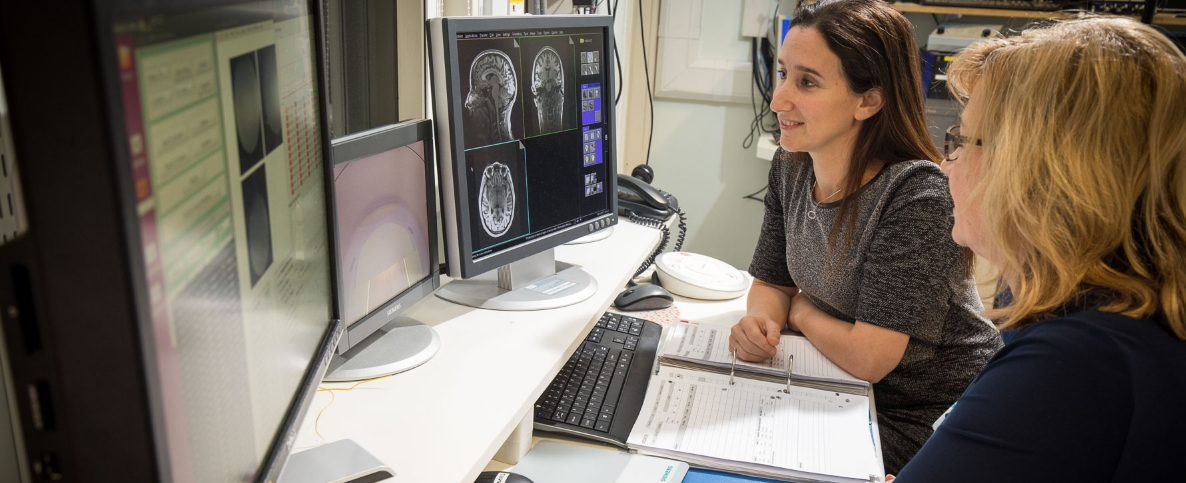
From the time at which the symptoms of a rare dementia first become evident, through to getting a diagnosis, and on to the later stages of dementia, there are likely to be appointments with a variety of medical and social care professionals. For people who are referred to the National Hospital for Neurology and Neurosurgery (NHNN), the RDS Direct Support Team (DST) works with the wider team of neurologists, psychologists, neuropsychologists and nurses based here. For people who are not patients at the NHNN, the DST is able to provide advice about how to navigate local appointments with these and other professionals. It is important to identify and understand who your care team is going to be comprised of, as there will be some regional variation in how services are commissioned.
Not all professionals and care providers are familiar with rare dementia diagnoses. The DST are able to support members through these appointments, enabling them to raise awareness and provide the necessary information to ensure they get the most out of the consultations. We encourage our members to signpost the RDS website to anyone they are referred to, if they feel these people would benefit from additional information about rare dementia. We welcome professional care providers to sign up as members and receive the benefits we can offer by way of information and partnering.
It is helpful to keep a record of all the appointments that are scheduled in one place (for example by using the Alzheimer’s Society ‘my appointments’ booklet) so that it is possible to make a quick reference to them, and to let other people know what appointments are planned.
When it comes to specialist referrals for assessment and diagnosis, depending on local service provision, a referral may be made to either a memory assessment service (MAS) or a community mental health team (CMHT). In many cases, the MAS is placed within the CMHT. Professionals working in all these areas are able to assess the symptoms of dementia, and in some cases may collaborate on joint care for people affected by dementia.
Where possible and appropriate, it is advisable that both the person living with the symptoms or diagnosis, and their carers are able to speak to these professionals separately, as well as together. Be prepared to ask for an opportunity to speak separately within the consultation appointment ahead of and if necessary, during the allocated appointment time.
Having a GP who appreciates the implications of a rare dementia diagnosis is critical to the ongoing support that will be offered. GPs are typically the gatekeepers for access to allied health care services. Some people elect to change their primary care responsibilities to a GP who they feel better understands the diagnosis and their support needs.
Local authorities (social services) are a significant provider of assessments for support and will signpost to benefits and services that may be appropriate. See the information below regarding the process for requesting an assessment of need from a local authority.
General Practitioners (GPs) are usually the ‘gatekeepers’ for access to specialist help and support. They can make referrals on to other services, including specialists who are experts in rare dementias, as well as more general services including CMHTs, physiotherapists, occupational therapists, speech and language therapists and social services.
Depending on their experience, not all GPs will have come across a rare dementia, and most would agree they are not experts in this field. The Young Dementia Network has developed a decision-making guide for GPs, endorsed by the Royal College of GPs, to aid the recognition of the symptoms of dementia in younger people. The guide can be downloaded and shared with the GP to aid understanding and referral to the necessary specialists.
Depending on the commissioning of local services and the symptoms that are being described, when specialist expertise is required regarding a dementia diagnosis, a GP may refer people either to a memory assessment service (MAS), the community mental health team (CMHT), or to a cognitive neurologist or psychiatrist directly. A psychiatrist would generally be based in a MAS and work between the MAS and the CMHT. A cognitive neurologist would generally work within a specialist clinic or hospital setting.
Aside from the medical records that the GP will keep, it is important that the reception staff at the GP surgery are aware of the diagnosis of dementia, and also are informed of anybody who is a carer. Some surgeries have a dedicated member of staff who will provide additional support to carers, including helping with benefit advice, signposting to local services, and making sure that carers receive preferential allocation of flu jabs. The surgery may also be able to offer more flexibility on appointment times and provide additional practical support whilst visiting the surgery.
Some GP surgeries also have ‘social prescribers’ connected to the service.
Social prescribers aim to connect people to appropriate types of practical and emotional support. They connect people to non-medical support, which helps them address the issues and unmet needs that affect health but are not treatable by doctors and medicine alone.
An example of social prescribing would be supporting someone with dementia to join a dementia choir and enabling them to maintain a sense of social connection.
Social prescribing is usually accessed by a referral from a GP, hospital, charity or other organisation to a social prescribing link worker.
Link workers listen to people and try to understand their situation, and what matters to them. They then ‘link’ that person to organisations and information that can help.
For more information, please see the NHS website information on social prescribing and the National Academy for Social Prescribing website information.
Cognitive neurologists diagnose, treat and manage conditions affecting the brain and spinal cord, and disorders of the nerves and muscles that activate movement and transmit sensations from around the body to the brain.
A neurologist will take a medical and social history. They may perform some cognitive tests, and physical examinations and order further investigations to evidence a diagnosis. These other investigations may include brain scans, blood tests, and in some cases a lumbar puncture (or ‘spinal tap’). Some neurologists are able to continue seeing people with a rare dementia for ongoing follow-up appointments, while others will refer the person with dementia back to their GP for ongoing support. Depending on the symptoms, the referrer, and local service provision, some people may be referred to a neurologist rather than a psychiatrist for an assessment of their symptoms.
A GP can make a referral to a neurologist via the NHS. Local neurology services may have neurologists within their teams who have specialist knowledge of dementia.
The National Hospital for Neurology and Neurosurgery runs a specialist Cognitive Disorders Clinic where staff have a particular expertise in young onset dementia, familial dementias and less common degenerative diseases. This team is led by cognitive neurologists with a specialist interest in rare dementia and referrals can be made by a GP or medical professional from most places within the UK (there are different processes for people living in Scotland and Wales) either for an initial assessment or for a second opinion. Other similar clinics exist throughout the UK.
Psychiatrists diagnose and treat many different mental health problems, including dementia, but also depression, anxiety and others. Depending on the symptoms, the referrer, and local commissioning pathway, some people may be referred to a psychiatrist rather than a neurologist for an assessment of their symptoms. Some psychiatrists are able to continue seeing people with a rare dementia for ongoing follow-up appointments, while others will refer the person with dementia back to their GP for ongoing support.
Referrals to psychiatrists are usually made via a GP (see the NHS website for further details on the referral process).
Memory assessment services (MAS’s) are designed to help people who are experiencing problems with their memory, or other cognitive difficulties, to find out the cause of these difficulties, and to access the right treatment and support. Memory problems affect many people for lots of different reasons. They are a common symptom of dementia, but not everyone who has memory problems has dementia. It is also important to note that some types of dementia don’t initially cause memory problems, but rather cause problems in language, vision or behaviour instead. MAS teams are well placed to recognise dementia that presents with symptoms other than memory loss, and may be able to refer on to colleagues for additional expertise where necessary.
It is important to assess the cause of memory problems, and of other symptoms, such as changes in reading, writing or speaking, or alterations in personality and behaviour. Most MAS’s discharge people from their service once a diagnosis is made. Speak to members of the team about where follow-up support will come from and who will be the person living with dementia’s care coordinator going forward.
Referral to a MAS is usually made by a GP.
Clinical psychologists assess memory, learning abilities and other skills. They are not medical doctors, but often work closely with the medical team to assist with diagnosis and support. Clinical psychologists work in a range of settings, including hospitals, clinics and health centres, memory assessment services and community mental health teams. Most services use clinical psychologists primarily to assist with the diagnosis process. Some services extend the involvement to include support with the difficulties someone may be experiencing as a result of their diagnosis, such as anxiety or distress, helping to develop strategies and adaptations to enable better living with dementia.
A neuropsychologist will perform extensive neuropsychological assessments (lasting 2-3hrs) to see which parts of the brain are working well and which are struggling. Neuropsychological tests assess intellectual functioning, attention, learning and memory, reasoning and problem-solving, visuospatial skills, and language, as well as mood and personality. These tests help to provide information that is necessary for both the diagnosis of dementia, as well as observing the ways in which it is developing over time. Neuropsychologists work in a range of settings, including hospitals, clinics and health centres, memory assessment services and community mental health teams.
Community mental health teams support people living in the community who have mental health problems. They may include psychiatrists, psychiatric mental health nurses, social workers, clinical psychologists, cccupational therapists, physiotherapists, speech and language therapists, pharmacists and social prescribers. Often, one member of the team will be appointed as a care coordinator, to keep in regular contact with you and help plan or oversee a person’s care.
Referral to the CMHT is usually made by a GP.
Mental health crisis teams can provide support if someone has a mental health crisis outside of hospital. The contact details for these teams can be found by using the search words ‘mental health crisis line’ and the name of your local area (see the NHS website for further information).
A dementia specialist nurse will provide support from the time of the diagnosis onwards and assist with care planning and medication reviews. There are a range of organisations who may be responsible for the provision of dementia specialist nurses, according to where local services are commissioned.
In some regions, specialist nurse services are provided by Dementia UK in the form of Admiral nurses. Admiral nurses are qualified adult or mental health nurses who have undergone additional training and have extensive experience in the care of people living with dementia. They are specialist dementia nurses who provide emotional support and care for families affected by all forms of dementia. They can help families manage the complex needs that a diagnosis of dementia can bring about. They also signpost to other services and advise other healthcare professionals about the care that people with dementia may need.
Admiral Nurses work in a variety of care settings including in the community, in care homes, in hospitals, in hospices and in clinics, as well as providing advice to enquirers on the Admiral Nurse Dementia Helpline.
Community psychiatric mental health nurses work in the community, as opposed to in a hospital or clinic setting. They are registered nurses with specialised training that helps assess, address, and monitor mental health and behavioural conditions. They may work with individuals, families, groups, or communities. Most work with a team of other qualified mental healthcare workers.
Community nurses provide care to people in their own homes, care homes, or close to where they live, as well as in clinics and GP practices. They can assist with taking medication safely and the dressing and assessment of wounds, as well as advising on a range of healthcare issues. They are also referred to as district nurses.
Occupational therapists (OTs) work with people to maximise their independence in day-to-day activities. They look at activities that have become difficult for a person to manage and see if there are new or alternative ways to do them. They take the whole environment in which a person lives into account, as well as looking at the particular abilities and difficulties a person has.
They provide information and support across a wide range of activities, including washing, dressing and meal preparation. They can suggest techniques or provide equipment that might help a person manage particular activities more easily and may also suggest adaptations that could be made within the home to increase a person’s independence. As well as providing aids and adaptations they can suggest ways to develop skills and modify tasks which might help a person to continue doing the things that are important to them. OTs can also advise on routines to help provide a more manageable structure to the day.
OTs can be an important source of support for people living with dementia. Their services are available for free through the NHS, and a referral can be made by a GP or other relevant healthcare professional, or through the local authority (social services). It is also possible to pay for cccupational therapy services privately and the Royal College of Occupational Therapists has more information about how to access private services on their website.
Speech and language therapy can help people living with dementia and their carers, families and friends to better manage their communication difficulties. Speech and language therapists are sometimes referred to as SALTs or SLTs. They can assess and understand the areas of communication a person may be experiencing difficulty with and then suggest strategies to help adapt to these areas of difficulty. They work on speech, language and communication treatments and interventions.
Speech and language therapists may also provide guidance on safe eating and drinking, should a person experience difficulty with swallowing, chewing or choking.
Their services are available for free through the NHS, and a referral can be made by a GP or other relevant healthcare professional. It is important to note however, that in many areas of the UK, speech and language therapy is only available for people living with dementia via the NHS if they are having problems with swallowing, not to help with communication difficulties. Not all speech and language therapists are experts in rare dementia.
A GP can make an NHS referral to a SALT and this is usually the best approach in the first instance. Some NHS speech and language services make information available on local NHS sites too, in order to provide easy access to information (for example, Better Conversations with Aphasia , a free e-learning resource to improve access to conversation therapy). Their professional services can also be accessed privately in some areas (see The Royal College of Speech and Language Therapists website for more information). It is important to make sure that the therapist you are working with is aware of the unique issues faced by people living with language-led symptoms of dementia. Speech and language therapists may find it helpful to access the resources available through RDS, and are welcome to sign up as RDS members for more support and signposting to profession specific resources.
Physiotherapists help to restore or maximise movement and function when someone is affected by injury, illness or disability. Physiotherapy can be helpful for people with a wide range of health conditions including people living with dementia.
Physiotherapists can give general advice about things that can affect our daily lives, such as posture and correct lifting or carrying techniques to help prevent injuries. They can recommend exercises and provide advice about physical activity to strengthen specific parts of the body or improve general health and mobility. Physiotherapists can provide manual therapy and are sometimes qualified to provide acupuncture or water therapy too.
Physiotherapy is available through the NHS. In most cases a GP referral is required in order to receive physiotherapy from the NHS, although in some areas it’s possible to refer yourself directly. To find out whether self-referral is available in your area, ask the reception staff at your GP surgery or contact your local hospital trust. See this NHS webpage for more information about accessing physiotherapy.
Waiting lists for NHS treatment can be long and some people choose to pay for private treatment. Most private physiotherapists accept direct self-referrals. Contact local physiotherapy providers for more information about services and charges.
Hearing well is an important part of being able to communicate, and regular hearing checks are important for all of us. It is particularly important to make sure that there are no additional barriers to hearing that might add to the challenges being caused by dementia.
Audiologists are healthcare providers who specialise in hearing and balance disorders. They diagnose hearing loss, provide treatment and work with other healthcare providers to treat hearing loss. Audiologists also share information on ways to protect hearing.
Audiology services can be accessed through the NHS and are also available at some pharmacies and opticians. Some audiology services can provide testing at home. See this NHS webpage for more information.
Regular eye checks are important for everyone, and it is particularly important to make sure that there are no additional barriers to seeing that might add to the challenges being caused by dementia. Optometrists are responsible for assessing the prescription needs of their patients. Opticians are responsible for recommending specific eyewear, taking measurements, fitting and adjusting glasses, and advising on the proper way to wear and care for glasses or contact lenses.
Posterior cortical atrophy (PCA) is a type of dementia which affects visual processing. The first symptoms are usually in changes to vision. In PCA, the problem is not caused by poor eyesight, but by damage to the cells at the back of the brain where visual signals are processed and interpreted. We sometimes refer to this as ‘brainsight’ as opposed to ‘eyesight’.
While glasses won’t correct the problems caused by PCA, it is important that the eyes are allowed to work as well as possible. For people with PCA and any other type of dementia, regular eye tests are important.
Eye tests are available through the NHS, and most high streets have opticians who can perform standard assessments. An increasing number of high street opticians provide services in the person’s home, if required. This document provides more information about eye tests for people living with dementia.
Rare Dementia Support has worked closely with the Royal College of Optometrists to collaborate on learning and training about ways in which vision and spatial skills are affected by some types of rare dementia.
An ophthalmologist is a medically-trained doctor who has also undergone additional training in the detection, diagnosis and management of various eye conditions. People generally need to see an ophthalmologist to get registered as being partially sighted.
More general information about the visual aspects of dementia is available here:
Visual loss arising from Alzheimer’s:
‘Brainsight’ and ‘eyesight’ in persons with dementia:
Regular dental check-ups are important for everybody in order to maintain good oral health. People living with dementia may find it more difficult to manage their usual dental health routines, and, in time, may become less able to identify or describe oral discomfort.
Dental services are available via the NHS although there is sometimes a wait to be accepted onto an NHS list. Private dental care is widely available in most areas. Whether using a NHS or private dentist, let the surgery know about the diagnosis of dementia, and of any additional support needs that are present as a result. For example, people may feel more at ease if their carer is able to join them for the examination or treatment session. Or they may find it easier to have treatment broken down into several shorter sessions.
In most areas specialist dental services are available for people with additional needs. This includes people who require dentistry to be provided in a residential or nursing home environment. Ask your usual dentist or GP what is needed for a referral to specialist dental services in your area.
As people live with dementia, they sometimes find that their eating habits and food preferences change (see the RDS website page on eating and drinking for more information).
Dietitians are qualified health professionals who can have an important contribution to the wellbeing of people living with dementia. They can advise on nutrition generally, support with weight loss/gain, food fortification and supplements. Some dietitians have specialist knowledge about dementia related symptoms.
A GP can make an NHS referral to a dietitian. This is usually the best approach in the first instance. Many NHS dietitian services make information available on local NHS sites too, in order to assist easy access to information (for example, the Hertfordshire and West Essex Integrated Care Board website). Their professional services can also be accessed privately in some areas (see more information on finding a dietician) .
The role of pharmacists is to dispense, manage and monitor medication. They can help prepare tablets into boxes that hold daily doses, making it easier to remember which tablets are due on which days. Pharmacists can also advise on alternative ways of taking medication if there are difficulties with swallowing or with the timings of taking medication. It is important to speak to a pharmacist before breaking or crushing tablets as some medicines become inactive once they are broken.
Continence advisory services offer advice, assessment, treatment and management of bladder and bowel problems with the aim of curing or improving symptoms. They are able to provide strategies for managing symptoms, as well as support with the use of equipment and continence products.
Referral to NHS continence advisory services is usually via the GP, who will need to ascertain the cause of the symptoms as well as their treatment and management. In some cases, self-referral is possible, but this depends on the type of problem being experienced and the medical history. There are also voluntary and charity sector services that can provide continence support, for example, Bladder and Bowel UK and Age UK.
People often feel embarrassed to talk about problems they are having with continence, but it is important to mention these as soon as possible, so that the best treatment and support options are put in place as quickly as possible. Leaving symptoms untreated or poorly managed can lead to complications.
Talking therapies may be appropriate for a person living with dementia as well as their carers and friends. These therapies involve working with a trained therapist either one-to-one, or with families and partners, and may take place in a group, individually, in-person, online or over the phone. There are many different types of talking therapy, but they all seek to help us understand and cope with the challenges and problems we are facing.
The types of challenges that talking therapies can help with include low mood, depression, anxiety, stress, apathy, challenging life events/issues, struggling to accept a diagnosis and the changes it entails, adapting to changing roles and relationships, coping with losses, the impact of the diagnosis on identity and sense of self, worries about the future, feelings of frustration, struggling to find a sense of purpose or to engage with activity that is meaningful to the person.
For some problems and conditions, one type of talking therapy may be better than another. Different talking therapies also suit different people, so be prepared to try out different types of therapy to find the most helpful type.
The approaches typically used with people who are adapting to living with dementia include cognitive behavioural therapy (CBT), acceptance and commitment therapy (ACT), compassion focussed therapy (CFT), grounding and breathing techniques and narrative therapy. You can read more about these on our wellbeing page.
Counsellors work with people experiencing a wide range of emotional and psychological problems to help them bring about effective change and/or enhance their wellbeing. They use a range of approaches and variety of different types of talking therapy, which can be relevant and appropriate for people living with dementia as well as their carers and friends. GPs can usually refer to a counsellor on the NHS. There are also a range of services available privately (see the counselling directory and British Association for Counselling and Psychotherapy websites for more information).
A GP can make a referral to NHS talking therapies, or you can refer yourself directly.
The charity MIND has a helpful website with lots of information about these approaches and services.
Local authority (social services) support people who have additional needs beyond those that health, education or community services can help with. They also have a duty to safeguard children and vulnerable adults who may be at risk of harm.
The care needs assessment is free and anyone can ask for one. Contact social services at your local council and ask for a needs assessment. You can call them or do it online.
The two main assessments which are important to request following a diagnosis of dementia are a needs assessment and a carers assessment.
A needs assessment allows the local authority to assess whether a person might benefit from any of the services they provide, such as:
A carers assessment allows the local authority to assess whether the family members or friends who provide care and support to someone living with dementia are entitled to any support, such as:
A carer’s assessment is free and anyone over 18 can ask for one. It’s separate from the needs assessment the person with the diagnosis of dementia will have, but you can ask to have them both done at the same time.
In some areas, the local carers centre will be commissioned to do these carers assessments. In other areas, the local authority social service team will do them directly. Contact your local carers organisation (you can find this via the Carers Trust or Carers UK websites) in the first instance for support, information and relevant signposting. You can find out more on the our page on rights and entitlements.
Alongside the nuanced and disease specific information related to rare dementia diagnoses, there is a lot of more general information that is transferable for advice, learning and support, from other websites. Throughout the Rare Dementia Support website, we have signposted where relevant to these partner organisations, and have listed below those we commonly refer to.