What is rare dementia?
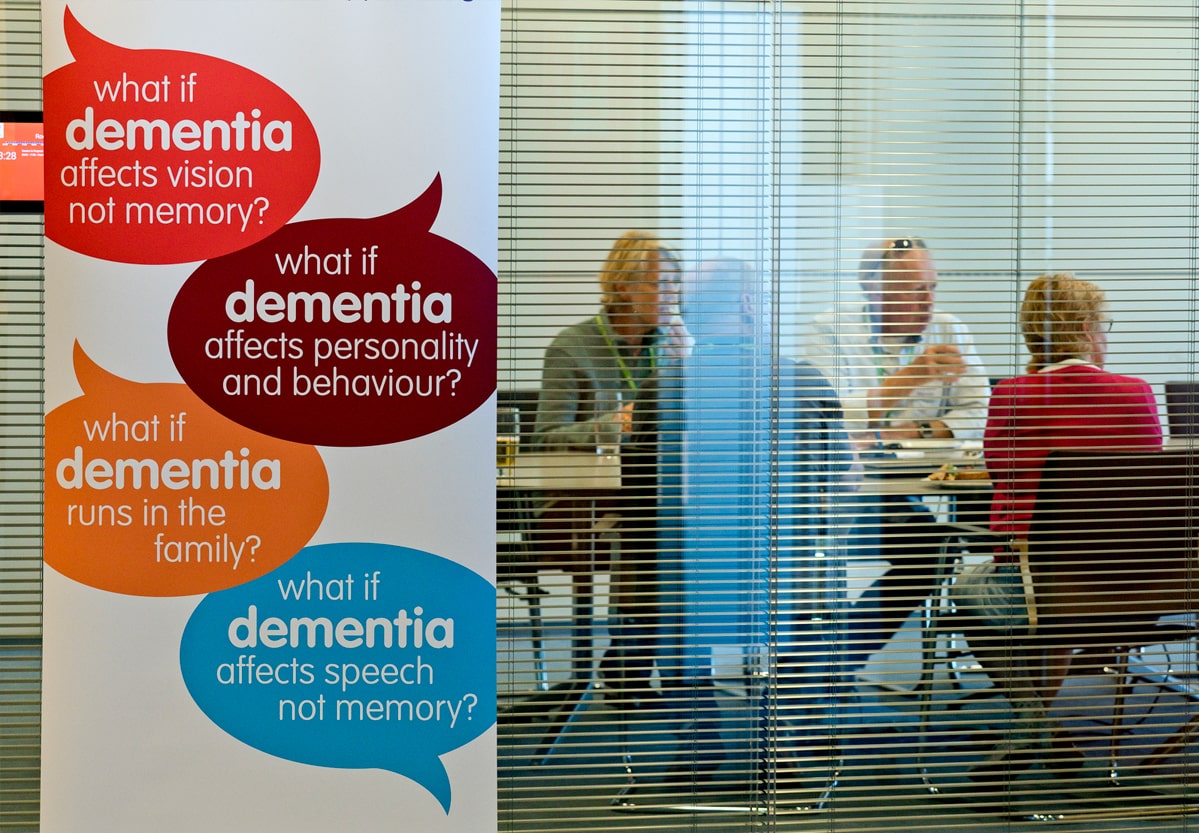
Alzheimer’s disease is the most common cause of dementia, but there are many other diseases and conditions that can lead to dementia. These conditions are rarer, can occur at a younger age, and can cause symptoms that are not only memory-related. These include difficulties with vision, language, movement and behavioural changes.
Between 5% and 15% of people living with dementia receive a diagnosis of a rare, inherited or young onset dementia. Rare Dementia Support (RDS) provides support for seven rare dementias. These are:
The diagnosis of a rare dementia can bring with it a set of unique and complex challenges. Rare dementias are proportionately more likely to develop in individuals at a younger age (before 65 years old), raising challenges relating to individual and family transitions (e.g. work, retirement planning, childcare and care transitions).
Following diagnosis, many people find that existing health, social and voluntary services do not cater adequately to their individual needs. More specifically, they may find that established dementia support groups are not particularly relevant to their situation. Members of these groups can often be significantly different to them in terms of age, life situation and symptoms.
30% of people living with a rare dementia initially receive an incorrect diagnosis and there is a widespread lack of understanding and a shortage of dedicated resources to support those affected. We are working together with people affected by rare dementias, to provide social, emotional and practical support alongside research and training about rare dementias. By increasing awareness about these conditions, we hope to empower communities to better support everyone affected by a rare dementia diagnosis.
Signing up to become a member of RDS is free of charge. Everybody is able to view our website and the information it contains, but by becoming a member you can access our direct support services, receive our information and updates and join in our in-person and on-line support group meetings.
