Familial frontotemporal dementia (fFTD) is an inherited form of frontotemporal dementia (FTD). FTD is a group of dementias which mainly affects personality and behaviour or language and speech, depending on which areas of the brain are affected.
RDS can provide information and advice about fFTD and for people affected by it.
Understanding fFTD

Familial frontotemporal dementia (fFTD) is an inherited form of frontotemporal dementia (FTD). FTD is a group of dementias mainly affecting the frontal and temporal lobes of the brain. These are the areas of the brain that control personality and behaviour or language and speech abilities.
In around 30-40% of people diagnosed with frontotemporal dementia (FTD), there is a family history of the condition and it is likely to have a genetic cause – we call this familial FTD (fFTD). Sometimes fFTD is referred to as autosomal dominant FTD. This is a different name to describe the same condition.
FTD is subdivided into two types:
Behavioural variant FTD (bvFTD), which mainly affects behaviour and personality
Primary progressive aphasia (PPA), which mainly causes a loss of speech and language abilities. These include non-fluent variant PPA (nfvPPA) and semantic variant PPA (svPPA).
Of the different forms of FTD, the behavioural variant (bvFTD) is the one that is inherited most often. Primary progressive aphasia (PPA), and particularly the nfvPPA form, can also have a genetic cause and run in families but it is much rarer.
For more detailed information on the different forms of FTD please visit our Understanding FTD and Understanding PPA pages.
Causes

In 30-40% of all people with FTD, the condition is known to be caused by by faults (known as mutations) in genes that run within families. Three genes cause the majority of genetic FTD cases – progranulin, tau and C9orf72. At least six other genes can cause familial FTD, and more may be discovered.
In most people (50-70%), frontotemporal dementia (FTD) is a sporadic condition. This means that FTD occurs in an individual person by chance, without anyone else in the family having been affected. In most cases, the relatives of someone who has been diagnosed with FTD do not have an increased chance of also getting this condition.
You can find out more by visiting the Alzheimer’s Research UK website and the RDS page on genetics and risk.
Diagnosis and testing
How likely am I to inherit fFTD?
If someone has one of the gene abnormalities that cause fFTD, then each of their children has a 50% chance of inheriting the faulty gene. Each sibling of someone with the faulty gene also has a 50% chance of inheriting it.
The age at which symptoms of fFTD begin is very variable. Some people develop fFTD around the same age that their parent developed it. However, for other people, there can be up to 20 years’ difference in the age that fFTD develops.
If someone is tested and has inherited one of these gene abnormalities, then they are highly likely to develop fFTD. Only a very small minority of people who have inherited a faulty gene live without developing fFTD in their lifetime.
Genetic testing and counselling
In families where a gene abnormality is known or suspected, expert genetic advice is important.
If someone is worried about their risk of developing familial FTD or wishes to discuss it further, their GP will be able to refer them to a specialist genetic counselling service to discuss their concerns and arrange genetic testing if needed.
The results of any genetic test have important implications not only for the person being tested but also for the rest of the family. It is important to discuss these carefully with a specialist who has expertise in genetic counselling and is familiar with the family, before any genetic tests are performed.
A genetic test for familial FTD can be performed on a blood sample and is usually done because several other family members have fTD or an associated disorder. However, it may also be performed when symptoms or brain scans suggest familial FTD. For more detailed information on genetic testing and counselling for fFTD, please see the information provided in the ‘I think I am at risk of fFTD. What next?’ section of this page. Further information is also available here.
It is important that healthcare professionals are better informed about fFTD and equipped to recognise the symptoms. Rare Dementia Support is working to improve awareness of fFTD and other rare dementias and to train healthcare professionals. For more information and resources visit our learning page.By increasing awareness and understanding of fFTD, we hope to ensure that healthcare professionals and communities are better equipped to support people affected by a diagnosis of fFTD. Help us by sharing your stories and contacting us at contact@raredementiasupport.org.
See the website page on getting or refining a diagnosis for more information.
I think I am at risk of fFTD. What next?
When living at risk of fFTD, people naturally ask questions such as what will happen next? Will I inherit this condition from my parents and can I pass it on to my children? Should I get tested? What support is available to me?
If you think you are at risk of fFTD, the information below may be helpful.
Genetic testing and counselling
In families where a gene abnormality is known or suspected, expert genetic advice is important.
If someone is worried about their risk of developing familial FTD or wishes to discuss it further, their GP will be able to refer them to a specialist genetic counselling service to discuss their concerns and arrange genetic counselling and testing if needed.
Genetic counselling is not psychological counselling. It is the process of a specialist explaining all of the facts and options to a person as clearly as possible, so that they may make an informed decision about whether to proceed with genetic testing.
Both the person at risk and their next of kin should be involved in these discussions as a diagnosis of fFTD has implications for the whole family.
If a person decides after genetic counselling to get a genetic test, then a blood test is carried out to look for a faulty gene that can cause fFTD. There are two types of testing:
- diagnostic genetic testing is typically offered when someone has developed symptoms of FTD at a young age and has a strong family history of the condition. It may also be offered to individuals who have symptoms of FTD under the age of 65, but whose family history is not known
- predictive genetic testing: If the precise FTD mutation affecting an individual is known, it is possible for that individual’s adult children and siblings to undergo genetic testing in order to find out whether they have inherited the mutation. This type of testing is done on individuals who are currently well and have no symptoms of FTD.
The results of any genetic test have important implications not only for the person being tested but also for the rest of the family. It is important to discuss these carefully with a specialist who has expertise in genetic counselling and is familiar with the family, before any genetic tests are performed.
The specialist will ask about family history of similar illnesses. If they are concerned that the illness may be inherited, they can test for known mutations. Where tests are available, a blood sample is taken, although it can often take several months to get a result. The person’s next of kin would be included in the counselling and testing process. Specific consent is needed to perform genetic tests.
If the precise gene abnormality is not known, researchers may be interested in identifying it, and will need DNA from at least one affected family member. Identifying a new gene abnormality can take many months or years and is not always possible.
If the precise gene abnormality affecting someone is known, it is sometimes possible to test the person’s adult children to see whether they have inherited it and are likely to develop fFTD. Being tested is a very difficult decision with no right or wrong answer, and counselling and support is available and recommended throughout the process.
For more information on genetic testing and dementia, you may find the Genetic Alliance website and Alzheimer’s Society useful.
If I have the gene mutation, what can I do to avoid passing the gene onto my children?
It is possible to prevent children from inheriting the mutation by undergoing pre-implantation genetic testing – known as PGT. The Human Fertility and Embryology Authority (HFEA) have granted a license allowing testing for mutations for couples who wish to pursue PGT.
PGT is available to couples if there is a specific genetic mutation known to run in the family, although the individual undergoing PGT does not necessarily need to find out whether they carry the mutation themselves. It is a lengthy and complex process involving assisted reproductive technology, more commonly known as IVF (in vitro fertilisation). The chances of success depend on various factors and there are a number of criteria that must be fulfilled if a couple is to be considered for PGD. At present, the NHS only covers the costs of one child per couple. More information on PGT is available on the Human Fertilisation and Embryology Authority website.
We are aware that making decisions about pre-implantation genetic diagnosis is significant and complex, and we recognise and empathise with the challenges it poses for people considering it as an option.
Symptoms of fFTD

The typical symptoms of frontotemporal dementia (FTD) and the familial form of FTD are similar – that is, a change in behaviour and personality or a decline in speech and language abilities.
The age at which symptoms of FTD begin for people who are at risk is very variable. Some people develop FTD symptoms around the same age that their parent developed it. However, for other people there can be up to 20 years’ difference in the age that FTD develops.
Of the different forms of FTD, the behavioural variant or bvFTD is the one that is most commonly inherited. Some language variants of FTD such as nonfluent variant PPA (nfvPPA) can also run in families but this is less common.
The information here focuses on what to expect if you are at risk of the behavioural form of FTD. For symptoms associated with one of the language forms of FTD – specifically semantic variant PPA (svPPA) or nonfluent variant PPA (nfvPPA) – please visit our PPA page.
The first symptom of bvFTD is usually a change in personality or behaviour which is out of character for the person affected. There are relatively few memory problems in the early stages of the condition. These symptoms may come on very slowly and not be noticed at first.
Early symptoms can include:
- a loss of inhibitions or increased extroversion
- reduced interest and withdrawal from social activities
- a loss of empathy (for example being rude, impatient or aggressive)
- changes in sexual behaviour (such as either more/less or inappropriate interest)
- being more easily distracted
- developing fixed routines or becoming obsessive about things
- a lack of insight into their behaviour
In the early stages of bvFTD people may find that their memory remains intact. However, people might have difficulties with organisation and concentration which can feel as though they are experiencing memory problems. Therefore, a problem with memory is often a symptom described by people living with bvFTD.
People with bvFTD may find that behavioural and personality problems progress over time. Other aspects of their thinking may also become affected such as: finding the right word, understanding speech, and memory. However some behaviours such as disinhibition may become less of a problem. The speed of these changes can differ significantly between people. Continence may become a problem.
As the disease progresses, people will need help with most aspects of daily life and eventually nursing care may become necessary.
In the mid to later stages of bvFTD people may experience issues with eating and swallowing, for example compulsively putting objects in their mouths. Difficulties with swallowing can have serious consequences: people may be at risk of losing weight, of chest infections and pneumonia or of choking on food.
Common problems around eating and swallowing can include:
- being unaware of food when it arrives
- failing to do anything with food in the mouth, just holding it there
- difficulty chewing and difficulty moving food to the back of the mouth
- spitting lumps of food out
- eating very fast or putting too much into the mouth
- eating insufficient amounts or refusing food and drink
- talking with food or drink in the mouth and forgetting to swallow causing coughing
- coughing or choking on food and liquids
- complaints of food not going down or getting stuck in their throat
- a ‘wet’ or ‘gurgly’ voice after swallowing
- difficulty swallowing tablets
- dribbling
- chronic chestiness or recurring chest infections
A speech and language therapist can assess the difficulties and may be able to make specific suggestions about what will help so. Request a referral via a Consultant, GP or most other medical professional.
In general, the beginning of other neurological problems – such as difficulties with movement or swallowing – tends to bring reduced independence and a need for increased support.
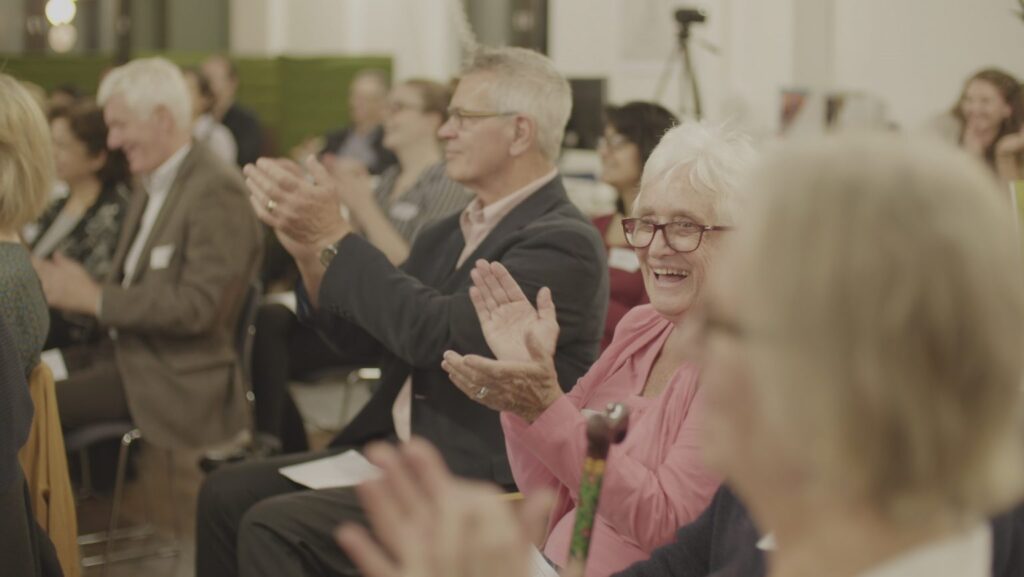
Families affected by fFTD may find coming along to our annual meeting for people with fFTD helpful. This meeting provides an opportunity to speak to others who are in similar situations, as well as address your questions and concerns with a wide range of professionals in a space of mutual respect and understanding. Our general FTD seminars and meetings are also valuable sources of information and support. We also offer support groups for carers and bereaved carers.
If you would like to talk to somebody about how the issues raised here have affected you, please get in touch.
Living with fFTD
The information here helps explain what to expect if you have received a diagnosis of familial frontotemporal dementia (fFTD) and guidance to help manage some of the day-to-day experiences and symptoms of fFTD.
Support
Receiving a diagnosis of fFTD can be isolating and can have an impact on not only the person living with the diagnosis, but also family members, friends and carers. It is really important that the right support is available, not only for the person with fFTD, but also for the people who care about and support them. The RDS support group meetings can be a good place to start.
Support groups are a great way of accessing help, information, advice and support in a space of mutual respect and understanding. They provide opportunities to speak to professionals and ask questions, as well as for connecting with others in similar situations.
People living with fFTD and their friends and family are welcome to join our London support group meetings, our small group meetings or to see what Regional Network Hubs might be available. Additional bespoke support is facilitated by RDS for people affected by or living with fFTD.
Because fFTD is rare, many healthcare services may not have much experience in supporting people affected by it. However, you may still find it helpful to seek support from a variety of health and social care professionals such as GPs and nurses, community mental health teams and social workers. Some people with fFTD may experience problems with movement or coordination. In these cases, support from a neurologist, physiotherapist or occupational therapist should be accessed. See the RDS website page on professionals for more information about what types of allied health professional support is available.
As fFTD is rare and the symptoms can vary from person to person, it may be hard for people with fFTD to receive the correct diagnosis. This can be frustrating and distressing. By increasing awareness and understanding of fFTD, we hope to ensure that healthcare professionals and communities are better equipped to support people affected by a diagnosis of fFTD. Help us by sharing your stories and contacting us at contact@raredementiasupport.org, and visit our Support at different stages page.
Genetic Alliance is useful organisation for further information.
Research
Some RDS members living with FAD find that contributing to research is a beneficial way of making a difference, if not for themselves, then for others who will receive this diagnosis in the future. You can read more about getting involved on our research opportunities page, or take a look at our fFTD specific research project currently underway.
Strategies for managing and adapting to fFTD
The symptoms and challenges associated with fFTD are similar to those of frontotemporal dementia (FTD). Therefore, the same strategies for managing them can also be employed.
There are a variety of strategies that people have found useful to help them adapt to and manage the symptoms of fFTD. Everyone’s experience of fFTD is unique to them, and what works for some may not work for others.
For more information on management strategies that people affected by fFTD, you may find the Alzheimer’s Society website page on FTD useful. You may find our managing and adapting page helpful, and we also have a specific section at the bottom of the page about adapting emotionally with familial forms of dementia. You may also find the language and communication and managing and adapting pages helpful.
Treatment
Unfortunately, there are no medications available to treat familial FTD or to slow its progression. Treatment therefore focuses on helping people to live well by easing their symptoms and supporting them and those around them.
Some people find treatments aimed at managing their symptoms useful. For more information please visit the managing and adapting pages for suggestions of behavioral strategies and language and communication strategies.
In a small number of people, FTD can overlap with one of several diseases that affect movement of the body such as motor neurone disease (MND), and progressive supranuclear palsy (PSP), corticobasal syndrome (CBS). The symptoms of these diseases can occur alongside those of FTD – click on the links for each condition to find out more. In these cases, treatments specific to these conditions may be prescribed.
Symptoms of depression and anxiety are relatively common in fFTD. These are treatable problems, so it is important that they are detected and managed effectively, including referral to a mental health professional where needed.
It is not uncommon for the relatives of people with fFTD to experience anxiety about their risk of developing the disease. It is therefore important that people at risk of fFTD seek help if they need it: counselling, psychological therapy or medication may all have a role to play in improving things for them.The RDS website page on adapting emotionally may be helpful.
Please speak to your GP or healthcare professional before taking any medical treatment.
For information about general drug treatments for dementia look at our Drug treatments page or take a look at this Alzheimer’s Research UK news page.
Talking about your diagnosis
Knowing when and how to tell family, friends and colleagues about a diagnosis of fFTD can be difficult. It can take time for people to understand and come to terms with a condition they have never heard of before. There is no right or wrong time to tell those around us, and people often have a sense of when feels right for them.
It could be helpful to talk this through with members of the RDS fFTD Support Group who have been in a similar situation, and who have direct experience of discussing their concerns with those closest to them, and who have direct experience of discussing their concerns with those closest to them. Please get in touch using the contact@raredementia.org email address for more information about the specific fFTD support we can offer.
Our general FTD seminars and meetings are also valuable sources of information and support. Many members find it helpful to share their story with other people living with a similar rare dementia diagnosis, and there are a range of opportunities for this at the small and large group meetings we offer.
Finding the right language is also important when telling those close to you. We have made a short film featuring the experiences of someone living at risk of fFTD as well as clinical explanations and insights. Visit our Adapting emotionally page for more advice about talking about your diagnosis.
Support for children
Unlike many other dementias, fFTD often affects people in middle age or even younger, meaning that it is likely there will still be children at home. When any parent faces a serious illness, their children need support in coping with and understanding their parent’s condition.
As there is an inheritance risk associated with fFTD, children of parents living with fFTD will also have additional psychological and emotional challenges that will require support.
In order to help children manage and understand how fFTD may affect them and their parent it is important to try and allow for open conversation and questions as much as possible. Without factual information, children may often fill the gaps in their knowledge with incorrect facts. It is therefore very important to facilitate conversation, provide information and allow for emotions and feelings to be discussed.
There are several links which provide helpful information on discussing fFTD with young people. The links are not all fFTD-specific, but provide information that is transferrable and relevant:
- The AFTD: what about the kids
- Understanding dementia: a guide for young people (PDF download)
- Carers Trust: Young Carers
- Information for Young Carers from the NHS
- Alzheimer’s Association: Living with Alzheimer’s – just for kids and teens
- Young Dementia UK
There is also a need to address the young person’s understanding of whether they might inherit the fFTD gene mutation, in an age sensitive and appropriate manner. Predictive testing is only done in people over 18. However if a person younger than 18 wants to talk about testing, they can be referred to a clinical geneticist who will go through the issues and concerns that the young person has. It is important that a young person is supported in their request and not just told that they can’t be tested until 18.
The information on our Adapting emotionally page may also be helpful.It could be helpful to talk this through with members of our fFTD Support Group who have been in a similar situation. Please use the contact@raredementiasupport.org email address to get in touch for more information about the fFTD specific support we can offer.
Latest fFTD seminar
You can view the latest fFTD seminar, which features a full recording of the meeting, including research updates, clinical presentations, member stories, and a Q&A session.
Resources
Information and notes from members experience
Latest fFTD stories
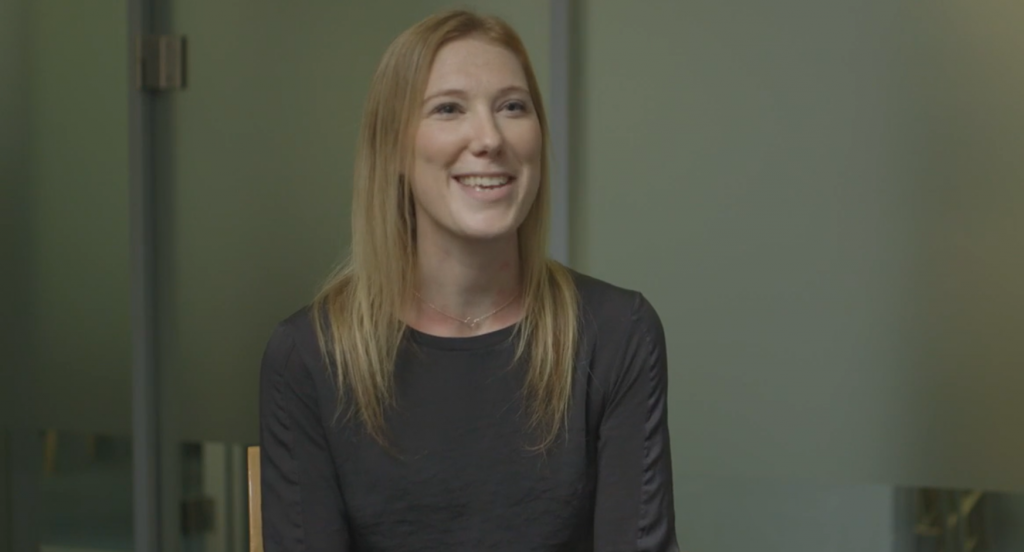
Living with fFTD: A short film
Hear the story of Amanda, who is living at risk of fFTD as well as professional insights and advice.
fFTD