A diagnosis of PPA raises many questions, challenges and uncertainties.
We have provided some information you may find useful if you are affected by PPA. More detailed information on support for all rare dementias can be found on our General Advice page.
For advice on coping strategies for living with PPA, such as speech and language therapy and safety tips for mealtimes, please visit our Living with PPA page.
Talking about your diagnosis
Knowing when and how to tell family, friends and colleagues about a diagnosis of PPA can be difficult. It can take time for people to understand and come to terms with a condition they have never heard of before. There is no right or wrong time to tell those around you, and you will know best when feels right for you.
It could be helpful to talk this through with members of our PPA Support Group who have been in a similar situation. For more information on PPA Support Group meetings in your area, please visit our Meetings page.
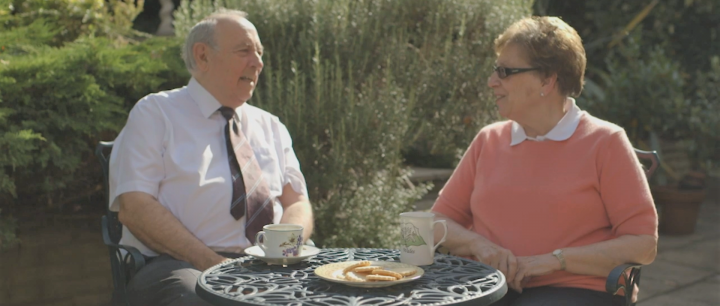
Finding the right language is also important when telling those close to you. We have made a short film, featuring the experiences of people living with PPA and their families as well as the professionals working with them. Watch the film here.
There are further resources to support you in talking about your diagnosis on our General Advice page.
Financial support
For more information on the financial support you may be entitled to if you are affected by PPA, please see our General Advice Page.
Employment
It is important to remember that although receiving a diagnosis of dementia can have an impact on your employment, it does not always mean that you cannot continue to work or contribute to society in other ways.
For more information on how employment may be affected by a diagnosis of PPA, please see our General Advice Page.
Legal affairs
It can be difficult to navigate the legal implications of a PPA diagnosis for you, your family and friends.
Planning for the future is an ongoing process which we encourage our members to start as early as possible. Dealing with legal matters is an important part of this, for example, arranging a lasting power of attorney.
For more information on arranging lasting power of attorney please visit our General Advice page.
Driving
Having a diagnosis of dementia does not necessarily mean a person cannot drive. However, if you have been diagnosed with PPA, or any other form of dementia, you have a legal responsibility to inform the Driver and Vehicle Licensing Agency (DVLA) about your diagnosis. The DVLA will ask your nominated doctor some questions about your fitness to drive. If your doctor decides you can continue to drive, you will keep your licence but will have annual reviews. You should also inform your car insurance company.
For more information about driving and other travel support please visit our General Advice Page.