ENHANCE SOMEONE ELSE’S DAY AND YOUR OWN DAY BECOMES ENHANCED
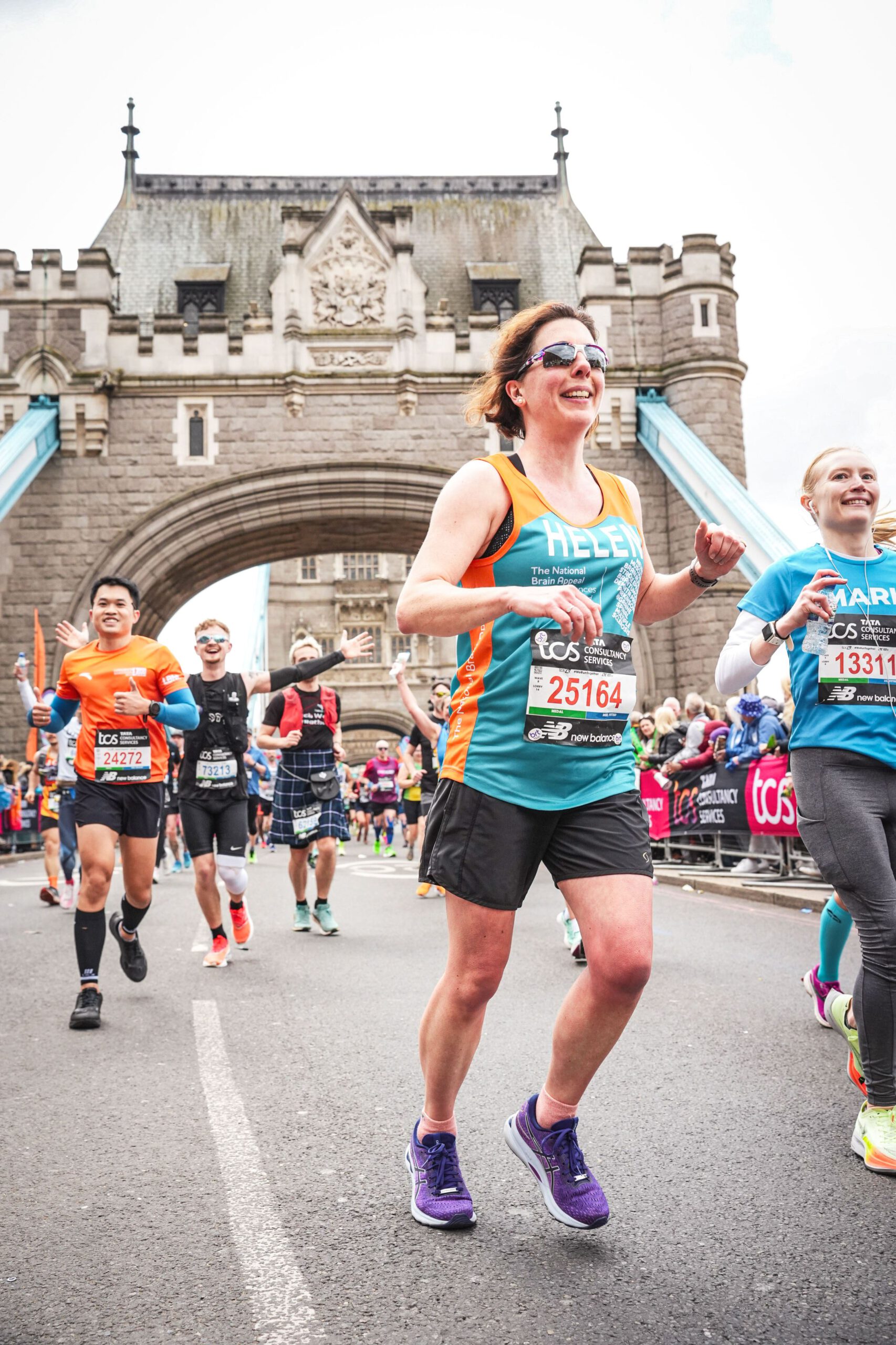
It was a privilege to speak to Graham Goddard in June as we talked through the emotion and pride of his daughter running the London Marathon and fundraising for Rare Dementia Support. There are numerous different aspects of living with a rare dementia that are familiar to us all and some which can spark emotions of so much sadness mixed with utter joy.
One of the many touching moments in our conversation came alongside his gentle reflection of the times when, as a young girl, he would encourage Helen to ‘run a lamp post – walk a lamp post’, as she joined him in his own longstanding love of running. Helen inherited his ability and love of running – as passionately demonstrated by her RDS fundraising efforts at the 2024 London Marathon.
Motivated by far more than the desire to run 26.2 miles from Greenwich to Westminster, Helen’s marathon experience was as much an emotional journey as it was a physical experience. A tear would often be shed on long training runs and Helen hoped people thought it was the cold weather or pain! However, it was the memories of running previous marathons when her Mother, Sharon, would be ready with a smile, hot meal and the best hugs. As a result of all those times when Sharon had been present Helen decided to wear Sharon’s engagement ring as she pounded the streets of London in April 2024. Helen wanted to feel Sharon’s presence and still recount, if not hear, those warm words of encouragement when things became tough.
Sharon has frontotemporal dementia [FTD]. Her diagnosis came after a tumultuous period of uncertainty, change and confusion. For several years her ‘out of character’ behaviours gradually increased as Sharon, an ex-nurse, midwife, health visitor and teacher struggled to make plans, sustain activities and live her life with the nature and abundance she had previously enjoyed.
The formal diagnosis of FTD eventually came in 2021. As the disease continued its relentless progression, it enveloped not only Sharon but the whole family in its wake. Graham himself became numb to the extent of the impact that adopting multiple and many roles under the umbrella label of ‘carer’ was taking on his own well-being. Forty years of marriage had not prepared Graham for how to understand the changes in his wife and forge ahead.
It took his children, Helen and her brother Alistair, to step in and draw a line – voicing their concerns for their father’s well-being as much as their mother’s.
Sharon’s move into full time care came in 2022, and was, as it is for all of us who face it, a decision that was based on the unique set of circumstances that each of us carry as people living with dementia, care partners, family and friends. It was helpful for the family to have had support at critical times from Nikki Zimmermann and others within RDS who were able to alleviate the sense of guilt that so many of us unfairly carry at this decision.
Living in a care home close to her daughter Helen means that mother-daughter visits can happen as often as is possible. Graham can now visit his wife as her husband, not carer. The relationships are changed but richer and precious in new and different ways as a result of the move. Pleasure is taken from sharing a cup of tea, walking in the garden, having a cuddle and looking at family photographs.
Adventurous by nature, the life that Sharon and Graham are living now is a far cry from the dreams and expectations they had for their retirement and future. A gifted musician, Sharon retains the ability to play the piano, despite so many other functional losses. It is truly remarkable to watch and never ceases to amaze the family and indeed other residents and carers at the home.
This dramatic photograph of Helen crossing Tower Bridge captures a very special moment in her run. 12 miles into the London Marathon, sporting The National Brain Appeal running vest and wearing her mother’s engagement ring in poignant honour of Sharon, Helen went on to raise over £3,500 for Rare Dementia Support. The photograph gives testimony to not only the physical challenges and endurance required to reach this landmark achievement, but also the emotional challenges and endurance faced by Helen, as a daughter watching FTD take its impact on Sharon – a wife, mother, sister and friend to many, who, in Helen’s words, “gives testament to what it means to be kind, caring, compassionate, loving, supportive, creative, motivated, empathetic and generally wonderful.”
The emotional impact of living with a rare dementia can be as challenging as the practical adaptations we need to make to the physical and functional changes we adjust to. Identifying, acknowledging and reaching out for the support we need is critical – be that support on emotional, practical, medical, social, informational or spiritual levels. It can be complicated to work out who to ask for help, and to see how support across the many different domains interlink. For example, receiving emotional help can help us continue more ably in some of our practical roles and vice versa.
It can be a helpful exercise to list out the people, groups, communities, networks and organisations we can turn to, to access this range of support needs and to identify any gaps we might need to fill. Reviewing support needs on a regular basis and reminding ourselves that they will change over time can help us respond to them more ably.
Rare Dementia Support can provide assistance with identifying and meeting ongoing support needs throughout the rare dementia journey – and no-one is ever discharged from our services. To request a one-to-one support call with a member of the Rare Dementia Support team, email contact@raredementiasupport and we will arrange an appointment.
If you are inspired by Helen’s incredible achievement, for fundraising ideas ranging from marathon runs to cycle rides, golf tournaments and walks, to tea parties, lunches and party nights, or to make a donation to please visit our donation page.
As we finished our time together Graham shared some poignant last words: ‘if you enhance someone else’s day – your own day is enhanced’. Let us all seek to remind ourselves of the many ways – sometimes in the smallest of ways- that we are making a difference to the lives of the people around us as we journey together with these rare dementia diagnoses.