Anthony’s story: “Little did we know how ill he was.”
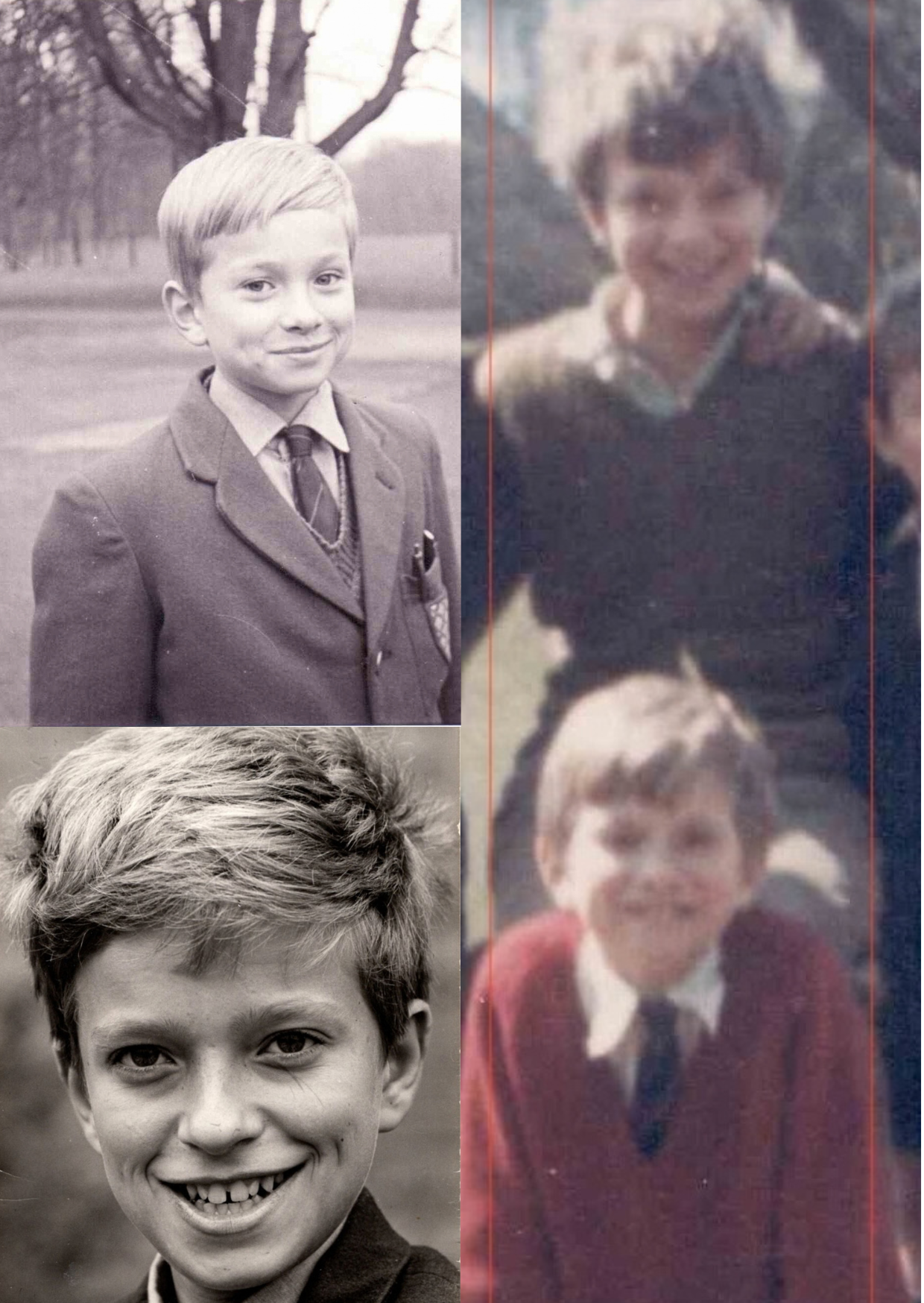
Anthony’s story offers a glimpse into what life was like living with frontotemporal dementia (FTD) at a time when there were fewer research and treatment opportunities available. It is told by his widow, Gillian Rushmore, who supported him throughout his illness, and wants to raise awareness this World FTD Awareness Week. Anthony’s name has been changed out of respect for his anonymity, as requested by his family. You can also read Anthony’s brother Patrick’s story.
“I met him when I was a student. He was a couple of years above me. We got married in 1980 when I was 22 and he was 24. He always had lots of friends, was good company, easy to be with and a very kind person. In around 2003, I noticed that he started to have difficulty finding the right words (aphasia). Initially, we put this down to stress, as his mother had recently died and I’d been diagnosed with, and successfully treated for, breast cancer, so it wasn’t the best of times.
“Anthony’s employers had noticed issues with his performance at work and he had decided to resign – no sickness benefits or other support. Little did we know how ill he was. A year or so later, just before his 50th birthday, Anthony was referred by his GP to a consultant who diagnosed him with focal lobar atrophy. We had no idea what this was or what it meant.
“The inability to communicate was the worst thing. If you can imagine sitting at a table with people speaking a foreign language. You know a little bit of that foreign language, but not very well. Imagine how tiring that is. It is so difficult and frustrating for somebody who was very sociable and loved chatting to people to have this diagnosis. Imagine understanding most of what was being said but not being able to join in. Initially, he didn’t look ill, so strangers were confused.”
“The initial consultant handled the diagnosis very insensitively, telling us, ‘I’m afraid there’s nothing further I can do.’ However, he did refer Anthony to Queen Square, and this proved to be a huge help to both of us over the next few years. The Rare Dementia Support (RDS) team provided us both with practical and emotional support and advice. Queen Square gave the condition a different name – FTD. However, there were no treatments or clinical trials available to Anthony.
“I was left reeling after this diagnosis but, to be honest, I was never sure how much he had taken in at this stage. At first, I looked after him myself. I had an understanding employer, so I started to work from home some days and then cut down from five days a week to part-time.
“As the disease progressed, Anthony became unable to do day-to-day tasks and became less mobile. He was unable to continue travelling to Queen Square. We had carers coming into the house, but I had to get a 24/7 live-in carer when it became clear that it wasn’t safe for him to be left alone. That didn’t work out as he found it difficult having people in the house. The care company then said two people would always be required, so in the end I had to find a care home for him – something that I never thought I’d need to do.
“Anthony died in 2013, eight years after his diagnosis. I expected and hoped that he would live longer. He was only in the care home on a permanent basis for less than a year. Obviously, I’d have liked him to live longer, but it wasn’t much of a life for him. He contracted pneumonia and went into cardiac arrest, which was devastating and shocking. But the deterioration he would have otherwise faced in the next few years, including perhaps losing the ability to swallow food and drink, would have been awful.”
At Rare Dementia Support, we know that sharing and reading stories of lived experience can be both inspiring and difficult. If this story has brought up any feelings or concerns and you would like support, our Direct Support Team is here to help. You can contact the team at contact@raredementiasupport.org.