Do I see what you see?
Become a member

How do changes in the brain cause us to see differently? What if dementia did not affect your memory but affected your vision?

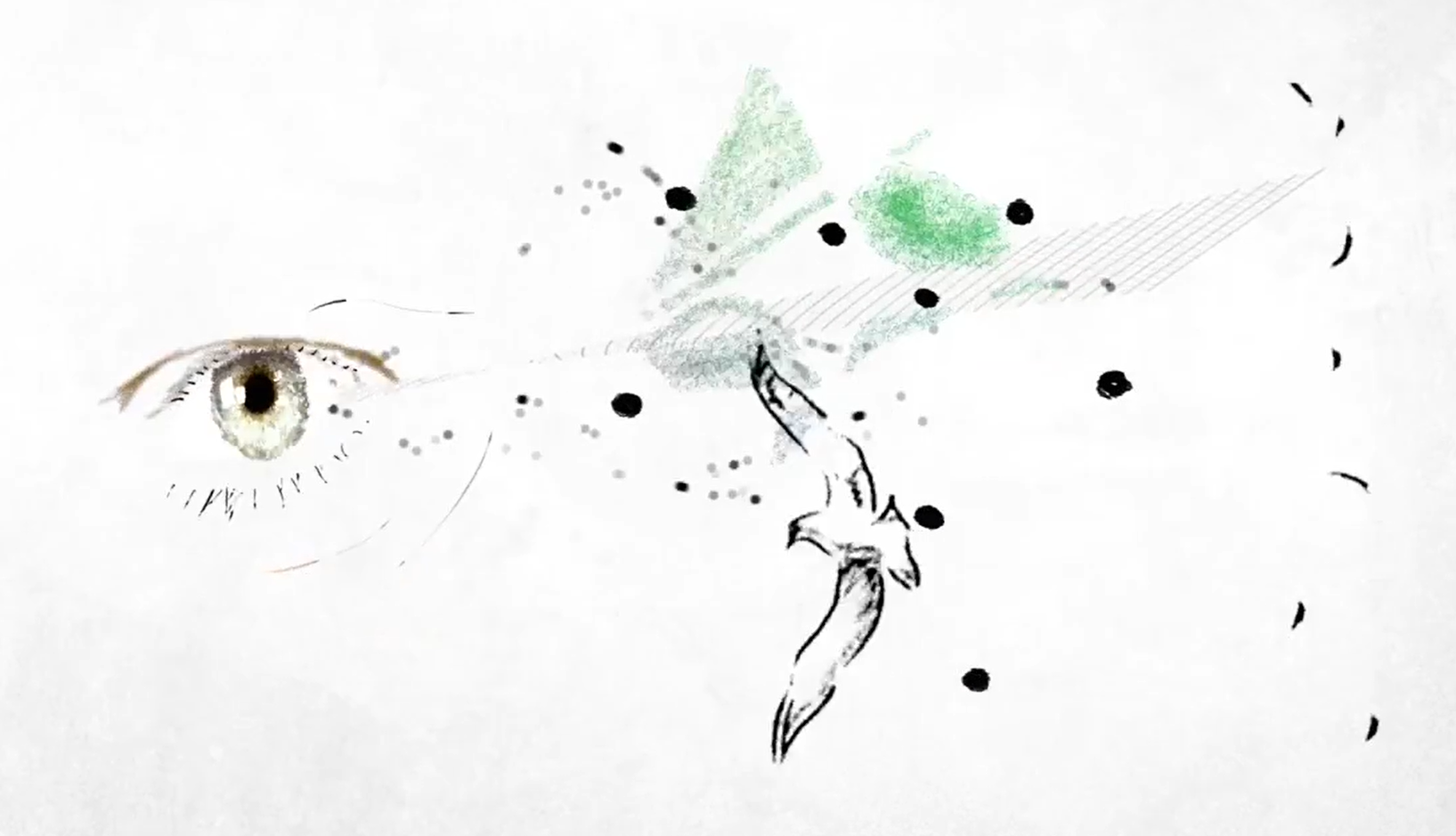
Experience the world through the eyes of people living with posterior cortical atrophy (PCA) in this stunning, short animation.

Do I see what you see? is a short film, directed by Simon Ball about the experiences of people living with posterior Cortical Atrophy (PCA), a rare form of dementia which affects the visual areas of the brain. Featuring 6 personal stories, the film recreates what it feels like to live with the knowledge that your brain might be playing tricks on you and that you are seeing differently from everyone else. Everyday tasks are beset with obstacles, but their stories also force us to question our own perceptions and whether we are truly seeing the world around us the way others do.

The film was funded by Wellcome and made in partnership with Alzheimer’s Society, University College London (UCL), the UCL Dementia Research Centre (DRC) and the ESRC-NIHR for Improving Dementia Care.

Cookies Overview
Rare Dementia Support

This website uses cookies so that we can provide you with the best user experience possible. Cookie information is stored in your browser and performs functions such as recognising you when you return to our website and helping our team to understand which sections of the website you find most interesting and useful.

You can read more about cookies and how we use them on our Cookie Policy page.

Strictly Necessary Cookies

Strictly Necessary Cookie should be enabled at all times so that we can save your preferences for cookie settings.

3rd Party Cookies

The Rare Dementia Support website uses third party cookies, which simply means we have used features in this website supplied by an external provider, such as Google Maps which sets the cookie.

The most common type of cookie used on this site is Google Analytics, which collects anonymous information such as the number of visitors to the site, and the most popular pages. Keeping this cookie enabled helps us to improve our website and ensure you have the best user experience.

Find out more about third-party cookies on our Cookie policy page.